A no-nonsense comparison of standalone ECU systems versus piggyback solutions. When to upgrade and what to expect.
Modifying a car for better performance eventually leads to a critical bottleneck. The factory engine control unit (ECU) is programmed to handle stock hardware, emissions standards, and general reliability. Once you add a larger turbocharger, high-flow injectors, or aggressive camshafts, the factory computer gets confused. You need a way to tell the engine how to use this new hardware effectively.
Engine tuning bridges the gap between mechanical upgrades and electronic control. There are two primary paths to achieve this: intercepting the factory signals with a piggyback device, or replacing the computer entirely with a standalone ECU. Each approach serves a specific purpose, budget, and power goal.
Choosing the wrong engine management system can lead to blown engines, wasted money, or a car that refuses to idle properly. This guide explains the core differences between the two systems. You will learn the advantages of each, the costs involved, and how to determine the best path forward for your specific project car.
Understanding Piggyback Solutions
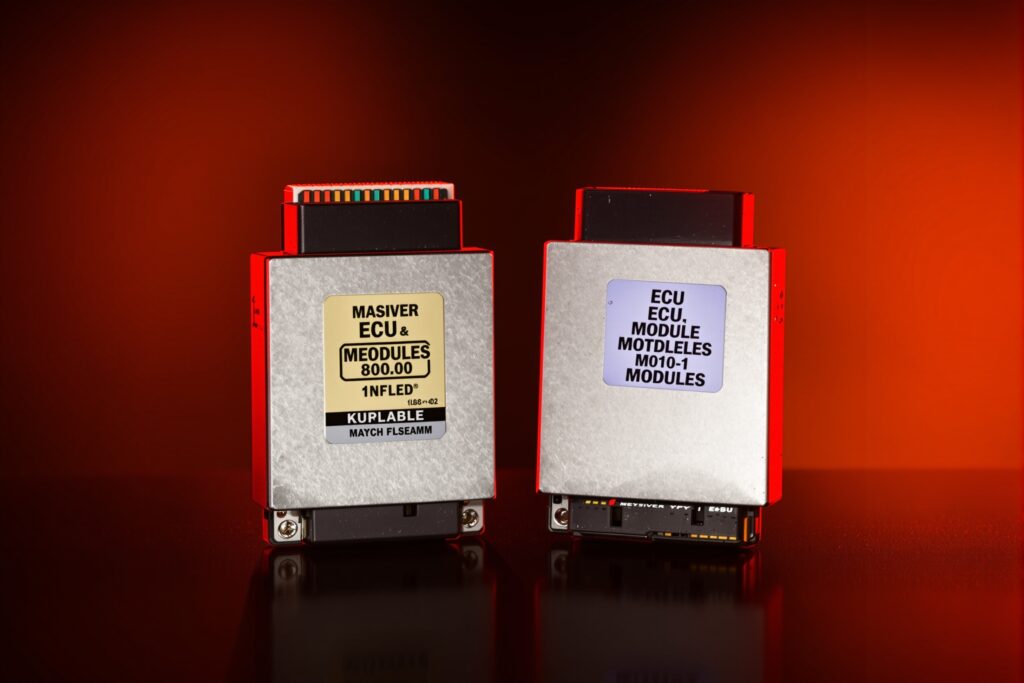
A piggyback system wires directly into your factory ECU wiring harness. As the name suggests, it “piggybacks” on the stock computer. Instead of completely taking over, the device intercepts sensor signals before they reach the factory ECU. It alters these signals, tricks the stock computer into making adjustments, and delivers the desired fuel and spark output.
The Advantages
Piggyback systems are generally affordable and easy to source. They allow you to retain all factory creature comforts, such as climate control, cruise control, and dashboard gauges. The factory ECU still handles complex tasks like cold starts and idle stabilization. This means the car often drives like a stock vehicle when you are just cruising around town.
The Drawbacks
You are still bound by the limitations of the factory ECU. Stock computers have protective limits for boost pressure and fuel cuts. A piggyback system has to constantly fight these factory safety protocols. Additionally, tuning resolution is often limited. You cannot precisely control every single parameter, which makes highly aggressive setups difficult to manage safely.
Ideal Use Cases
These systems work best for cars with mild to moderate bolt-on modifications. If you installed a basic turbo kit on a naturally aspirated car and only plan to run low boost, a piggyback handles the job nicely. It is also a smart choice for daily drivers where keeping OBD2 emissions compliance and dashboard functionality is a strict requirement.
Understanding Standalone ECU Systems
A standalone ECU completely replaces the factory engine management computer. It takes full control of every sensor, fuel injector, and ignition coil. Instead of tricking a stock system, you create a brand new set of instructions from scratch.
The Advantages
Absolute control is the primary benefit. You can adjust fuel and ignition timing down to the smallest fraction. Standalone systems offer advanced features that factory computers lack. These include launch control, flex-fuel integration, anti-lag, and engine protection strategies. If oil pressure drops unexpectedly, a standalone ECU can automatically shut off the engine to prevent catastrophic damage.
The Drawbacks
These systems require a substantial financial investment. The unit itself is expensive, and you usually need a custom wiring harness. Because the ECU starts completely blank, the tuner must build the entire map from the ground up. This means spending significant hours configuring cold starts, idle control, and basic drivability before ever making full-throttle power runs.
Ideal Use Cases
Dedicated track cars and highly modified street cars need standalone engine management. If you are aiming for massive horsepower figures, running heavily modified fuel systems, or using complex forced induction setups, this is the only reliable option.
Key Differences: Control, Installation, and Cost
The distinction between these two options comes down to three major factors.
First, control. Piggyback setups modify existing data. Standalone units create the data. A piggyback might let you add 10% more fuel at a specific RPM. A standalone lets you dictate the exact millisecond the injector opens and closes based on air temperature, ethanol content, and gear position.
Second, installation complexity differs drastically. Piggybacks usually require splicing a handful of wires into the factory harness. Many companies even offer plug-and-play jumper harnesses. Standalone systems often require replacing the entire engine harness, adding new wideband oxygen sensors, and wiring in separate manifold absolute pressure sensors.
Finally, cost creates a distinct dividing line. A quality piggyback setup might cost a few hundred dollars. A capable standalone system easily reaches thousands of dollars, not including the custom wiring and extended labor hours required by your tuner.
When to Upgrade: Factors to Consider
Deciding when to transition from a piggyback to a full standalone unit requires looking at your long-term goals. If your current setup causes the factory ECU to frequently trigger “limp mode,” you have reached the limit of what a piggyback can trick the stock computer into accepting.
Think about your future modification timeline. Buying a piggyback now only to upgrade to a standalone next year wastes time and money. If you plan to switch to E85 fuel, add nitrous, or install a massive turbocharger in the future, save up for the standalone system immediately.
Safety features should also guide your decision. High-horsepower engines are expensive to replace. The engine protection strategies built into modern standalone units act as vital insurance policies for your mechanical investments.
What to Expect During the Tuning Process
Tuning a piggyback is generally a straightforward process. The tuner straps the car to the dyno, does a few baseline pulls, and adjusts the intercept signals to optimize the air-fuel ratio and ignition timing under heavy load. The car usually starts and idles exactly as it did before. The dyno session is typically brief.
Tuning a standalone system is an entirely different experience. The tuner must calibrate the throttle position sensor, set up the base timing, and configure the idle air control valve before the engine even turns over. Expect the car to spend significantly more time on the dyno. The tuner will map hundreds of different load and RPM cells. They will also need to test the car on the street to ensure smooth part-throttle driving and proper behavior during varying weather conditions.
Making the Right Choice for Your Build
Engine management dictates the safety, reliability, and performance of your vehicle. A beautiful engine build is worthless if the computer cannot properly command the fuel and spark. Evaluate your realistic horsepower goals and review your budget carefully.
If you want a reliable daily driver with mild upgrades, a piggyback offers great value. If you are building a dedicated performance machine where precision is mandatory, a standalone ECU is the only logical path.
Take a realistic inventory of your current modifications and future plans. Then, schedule a consultation with a reputable local dyno tuner. They can evaluate your specific vehicle platform and help you finalize the best engine management strategy for your goals.